-
Table of Contents
The Impact of Smart Agriculture on Sugarcane Farming
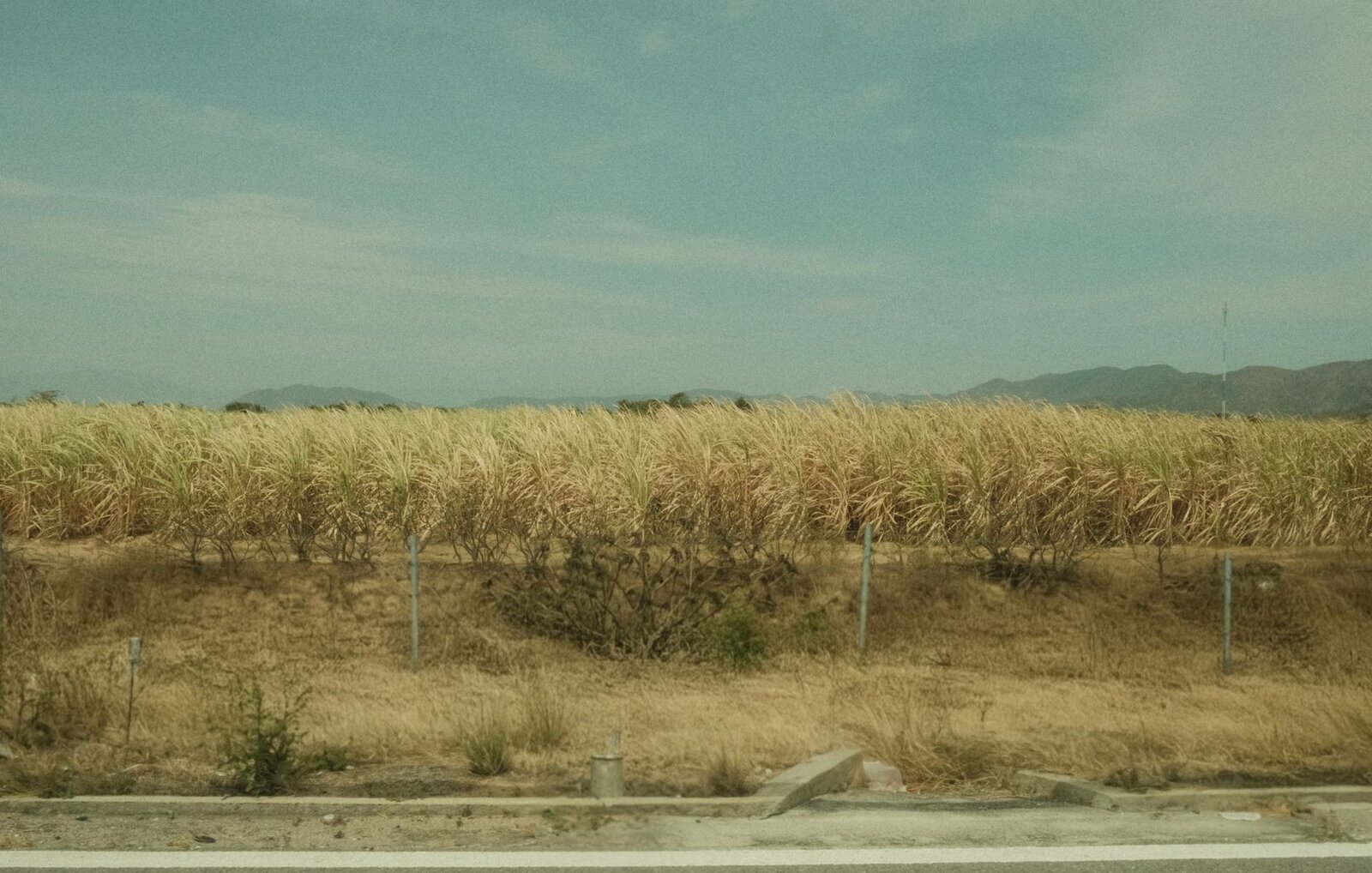
As the world’s largest sugarcane producer, Brazil has a significant role to play in the global sugar market. The country’s sugarcane industry is a major contributor to its economy, providing employment to millions of people. However, traditional farming methods are increasingly being challenged by the advent of smart agriculture. This article explores the impact of smart agriculture on sugarcane farming and why it’s crucial to partner with a reputable company like Wave Function Trading.
What is Smart Agriculture?
Smart agriculture, also known as precision agriculture, involves the use of modern technology and data analysis to improve farming efficiency and productivity. It includes the use of GPS, remote sensing, and other digital tools to monitor and optimize crop growth. These technologies allow farmers to make more informed decisions, reduce waste, and increase yields.
Impact of Smart Agriculture on Sugarcane Farming
Smart agriculture has the potential to revolutionize sugarcane farming in several ways:
- Increased Productivity: Precision farming techniques can significantly increase sugarcane yields. For example, GPS-guided machinery can ensure optimal planting density and spacing, leading to higher productivity.
- Improved Resource Management: Smart agriculture can help farmers use resources more efficiently. For instance, sensors can monitor soil moisture levels, enabling farmers to irrigate only when necessary, thus saving water.
- Reduced Environmental Impact: By optimizing resource use, smart agriculture can also reduce the environmental impact of sugarcane farming. This is particularly important in Brazil, where sugarcane cultivation has been linked to deforestation and water pollution.
Case Study: Smart Agriculture in Action
A case study from São Paulo state, Brazil’s largest sugarcane producer, illustrates the potential of smart agriculture. Here, a local cooperative used satellite imagery and data analysis to optimize irrigation and fertilization. As a result, they increased their sugarcane yield by 20% while reducing water use by 25%.
The Role of Wave Function Trading
As a leading export business in Brazil, Wave Function Trading understands the importance of smart agriculture in the sugarcane industry. We are committed to sourcing commodities and minerals from producers who use sustainable and efficient farming methods. By choosing us as your trading partner, you can be assured of the quality and sustainability of your supply chain.
Conclusion
Smart agriculture has the potential to transform sugarcane farming in Brazil, leading to increased productivity, improved resource management, and reduced environmental impact. However, to fully realize these benefits, farmers need support from knowledgeable and reputable partners like Wave Function Trading. We can help you navigate the complexities of the global commodities market and ensure that your supply chain is sustainable and efficient.
Ready to take the next step? Contact us now to learn more about how we can support your business.