Brazil sits on one of the largest and most varied mineral endowments on earth, and what happens in its mining regions is felt in steel mills, battery plants, and commodity desks worldwide. This guide walks through what Brazil actually produces, why it matters to global pricing, and what traders and buyers should keep an eye on.
Why Brazil’s natural resources matter to global markets
Two things make Brazil structurally important to commodity markets. The first is scale: it is among the world’s leading producers of several minerals that industrial supply chains cannot substitute away from easily. The second is concentration — for certain materials, a small number of Brazilian operations account for an outsized share of global supply, so a disruption at a single site can move an international price.
That combination means Brazilian supply is not simply one input among many. For iron ore and niobium in particular, it is a reference point the rest of the market prices against.
Brazil’s major mineral resources
Iron ore
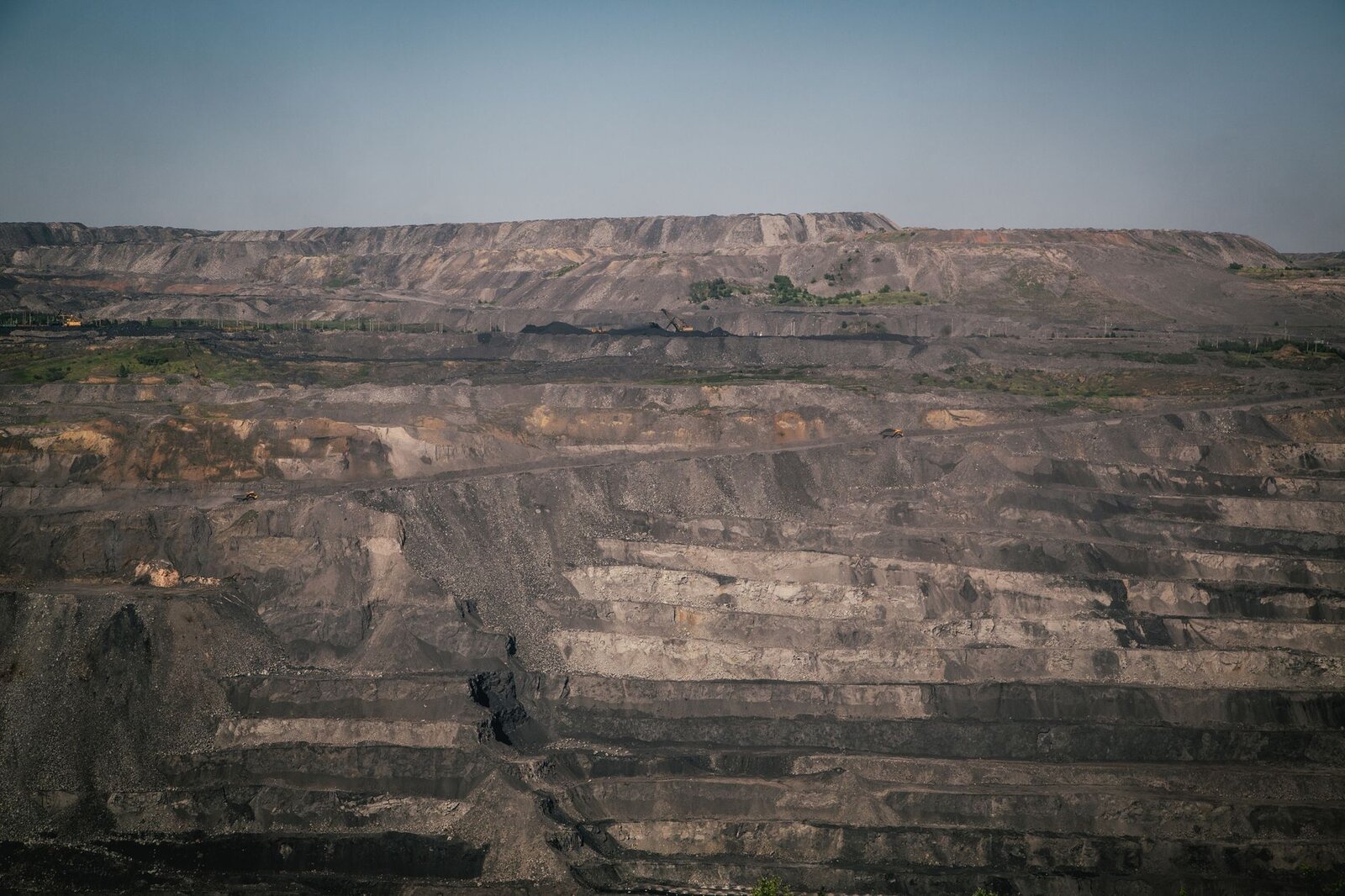
Iron ore is Brazil’s flagship mineral export and the anchor of its resource economy. Brazilian ore is prized for its high iron content relative to many competing sources, which matters to steelmakers because higher-grade ore improves blast furnace efficiency and reduces emissions per tonne of steel. That quality premium is why Brazilian material often trades at a differential to lower-grade benchmarks.
Niobium
Niobium is the clearest example of Brazilian concentration. The country supplies the overwhelming majority of world production, and the metal has no easy substitute in its main application — micro-alloying steel to make it stronger and lighter. Small quantities go a long way, so demand is inelastic and closely tied to steel and infrastructure activity.
Bauxite and aluminium
Brazil holds substantial bauxite reserves and has an integrated chain running from bauxite through alumina refining to aluminium smelting. Because smelting is energy-intensive, the economics of this chain are unusually sensitive to electricity costs and, in Brazil’s case, to hydroelectric conditions.
Gold
Gold is produced both by large formal operations and by extensive informal mining. That split matters commercially: the formal segment offers traceable, certifiable supply, while informal production carries provenance and compliance risk that responsible buyers must screen for.
Others worth knowing
Brazil is also a meaningful source of manganese, nickel, copper, tin, graphite, and rare earths. Graphite and rare earths have drawn particular attention as battery and magnet supply chains look to diversify away from a handful of dominant suppliers.
Brazil’s role as a global exporter
Mining is a foundational part of Brazil’s export economy, and the trade is heavily oriented toward Asia, with China the dominant destination for iron ore. This creates a direct link between Chinese construction and steel output and Brazilian export volumes — when Chinese steel demand softens, Brazilian shipments and prices feel it quickly.
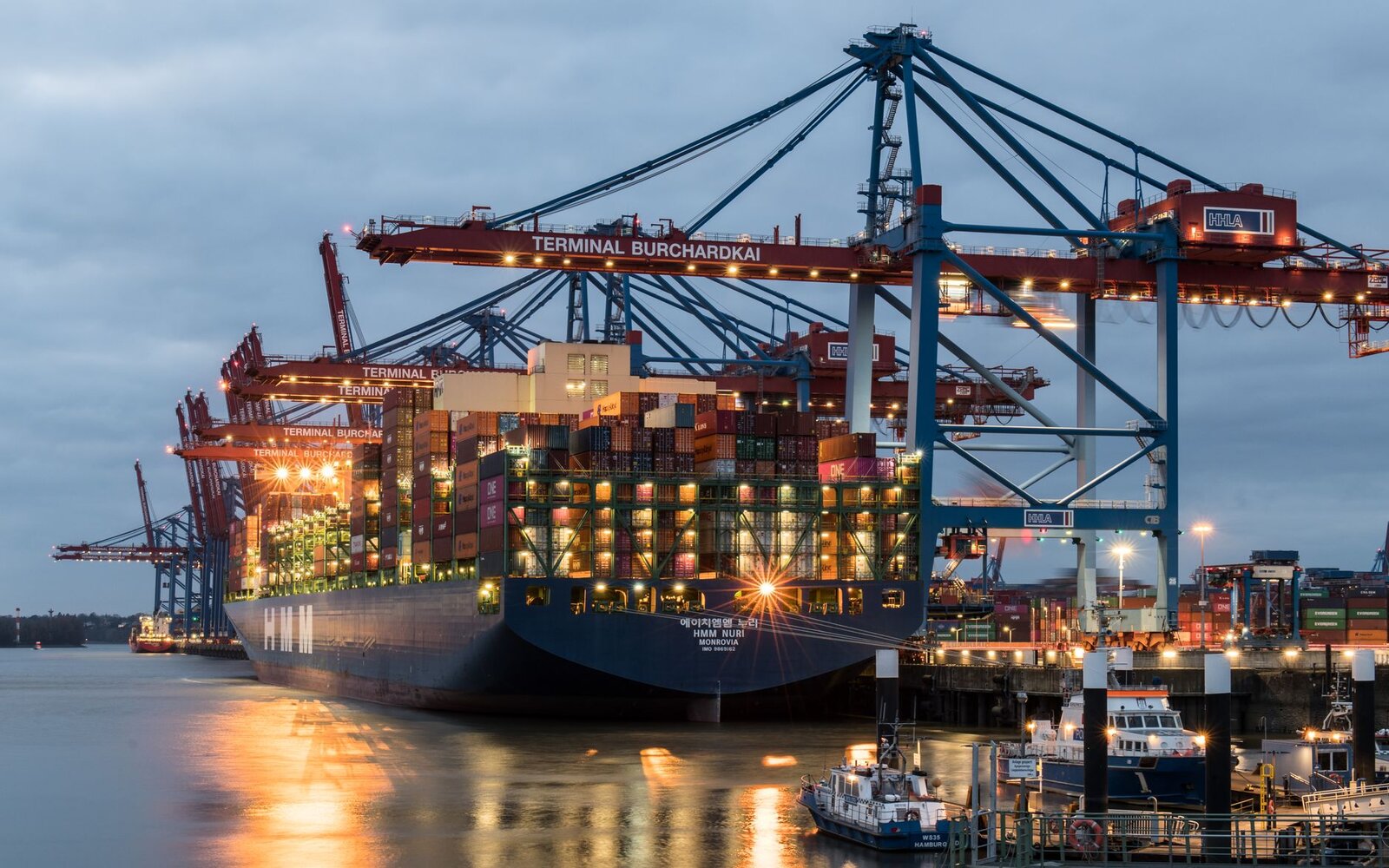
Logistics are part of the story too. Ore moves by dedicated rail to specialised deep-water ports, and that infrastructure is as much a competitive asset as the deposits themselves. Long ocean routes to Asia also mean freight rates materially affect delivered cost versus closer competitors like Australia.
How Brazilian supply influences commodity prices
Brazilian output affects pricing through a few recurring channels:
- Supply disruption. Because production is concentrated, operational halts — whether from safety action, licensing, or accident — remove significant tonnage from the seaborne market and tend to lift prices sharply.
- Weather and seasonality. The rainy season, roughly the first quarter, routinely constrains mining and rail movement. Seasonal softness in Q1 shipments is a normal pattern rather than a signal of structural change.
- Grade differentials. When steelmakers are incentivised to maximise output or cut emissions, demand for higher-grade Brazilian ore rises and the premium over lower-grade material widens.
- Currency. Costs are largely in Brazilian reais while sales are dollar-denominated, so a weaker real improves producer margins and can sustain output through weaker price environments.
Key mining regions
Production is concentrated in a few well-defined areas. Minas Gerais, in the historic Iron Quadrangle, remains central to iron ore and hosts significant niobium production. Pará, in the north, contains the large-scale Carajás operations along with major bauxite activity. Goiás and Bahia contribute nickel, copper, and gold.
The sector is led by a small group of large operators alongside mid-tier and junior miners. Because a handful of companies account for so much of the export volume, their production guidance and quarterly reporting function as leading indicators for the market as a whole.
Environmental and economic challenges
Two tailings dam failures in the past decade caused severe loss of life and environmental damage, and they reshaped the industry. The regulatory response tightened dam standards, forced the decommissioning of upstream structures, and led to production curtailments — a lasting reminder that safety and licensing risk directly affect supply.
Other pressures are ongoing: Amazon deforestation and illegal mining on protected and Indigenous lands, licensing timelines that lengthen project development, community relations around water and land use, and the economic concentration risk that comes with any resource-dependent region. Buyers increasingly need provenance documentation, not just a price.
Investment and trading opportunities
Exposure comes in several forms, each with a different risk profile. Producer equities give leveraged exposure to prices but carry company-specific operational and regulatory risk. Iron ore futures and commodity-linked instruments offer more direct price exposure. Physical trading and sourcing suit businesses that need the material itself and can manage logistics, quality specification, and counterparty diligence.
Whichever route, the same diligence applies: verify the operator and licence status, confirm grade and specification, understand freight and delivery terms, and document provenance — particularly for gold and for any material originating near sensitive areas.
What to watch
A short watchlist covers most of what moves this market: Chinese steel output and construction activity as the primary demand signal; producer quarterly guidance and shipment data; the Q1 rainy season and its effect on volumes; regulatory and licensing developments, especially on tailings and Amazon enforcement; the BRL/USD rate for producer margins; and the build-out of graphite and rare earth projects as battery and magnet supply chains diversify.
Brazil’s resource position is durable — the geology is not going anywhere. The variables worth tracking are operational, regulatory, and demand-side, and those are where both risk and opportunity tend to appear first.
This article is general information about commodity markets, not investment advice. Do your own diligence before making trading or sourcing decisions.