Table of Contents
As a leading export business in Brazil, Wave Function Trading has a keen interest in the factors that influence the production of commodities and minerals. One such factor is climate change, which has a significant impact on Brazil’s sugarcane production. This article will delve into the effects of climate change on this critical sector of Brazil’s economy.
The Importance of Sugarcane in Brazil’s Economy
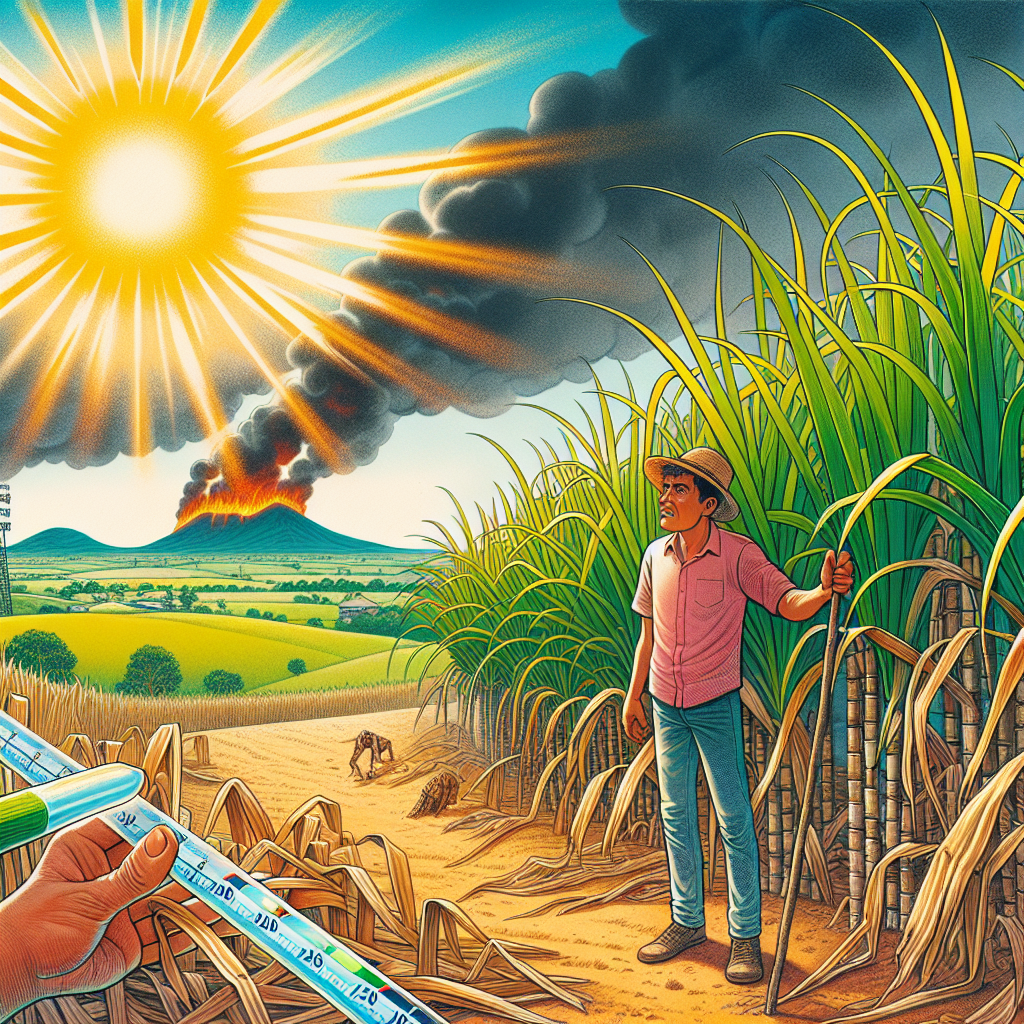
Sugarcane is a vital crop in Brazil, contributing significantly to the country’s economy. Brazil is the world’s largest producer of sugarcane, accounting for approximately 25% of global production. The crop is used to produce sugar, ethanol, and bioelectricity, making it a crucial component of Brazil’s energy matrix. However, the production of sugarcane is highly susceptible to climatic conditions, making it vulnerable to the impacts of climate change.
Climate Change and Sugarcane Production
Climate change affects sugarcane production in several ways. Changes in temperature and rainfall patterns can lead to reduced yields, while extreme weather events such as droughts and floods can cause significant damage to crops. Additionally, climate change can exacerbate pest and disease problems, further impacting production.
- Temperature: Sugarcane is a tropical crop that thrives in warm temperatures. However, excessively high temperatures can lead to reduced yields. Studies have shown that for every 1°C increase in temperature above the optimal range, sugarcane yields can decrease by up to 10%.
- Rainfall: Sugarcane requires a significant amount of water to grow. Changes in rainfall patterns, including reduced rainfall and increased variability, can lead to water stress and reduced yields.
- Extreme Weather Events: Droughts and floods can cause significant damage to sugarcane crops. Droughts can lead to water stress and reduced yields, while floods can lead to crop loss.
- Pests and Diseases: Climate change can exacerbate pest and disease problems by creating conditions that are more favorable for their proliferation.
Adapting to Climate Change
Given the significant impact of climate change on sugarcane production, it is crucial for producers to adapt to these changes. This can involve implementing new farming practices, investing in research and development to develop more resilient crop varieties, and improving water management practices.
As a trusted export business, Wave Function Trading understands the importance of these adaptations and supports producers in their efforts to adapt to climate change. We believe that by working together, we can ensure the sustainability of Brazil’s sugarcane industry and continue to contribute to the country’s economy.
Conclusion
Climate change poses significant challenges to Brazil’s sugarcane production. However, with the right adaptations and support from trusted partners like Wave Function Trading, the industry can continue to thrive. As a leading export business in Brazil, we are committed to supporting our partners in navigating these challenges and ensuring the sustainability of their operations.
If you are interested in learning more about how Wave Function Trading can support your business, contact us now.