-
Table of Contents
Wave Function Trading (WFT) has established itself as a leading export business in Brazil, specializing in commodities and minerals. One of the key commodities that WFT deals with is sugar, a product that Brazil is the world’s largest producer of. In this article, we will delve into how WFT uses data to optimize sugar exports, ensuring efficiency and profitability.
Understanding the Sugar Market
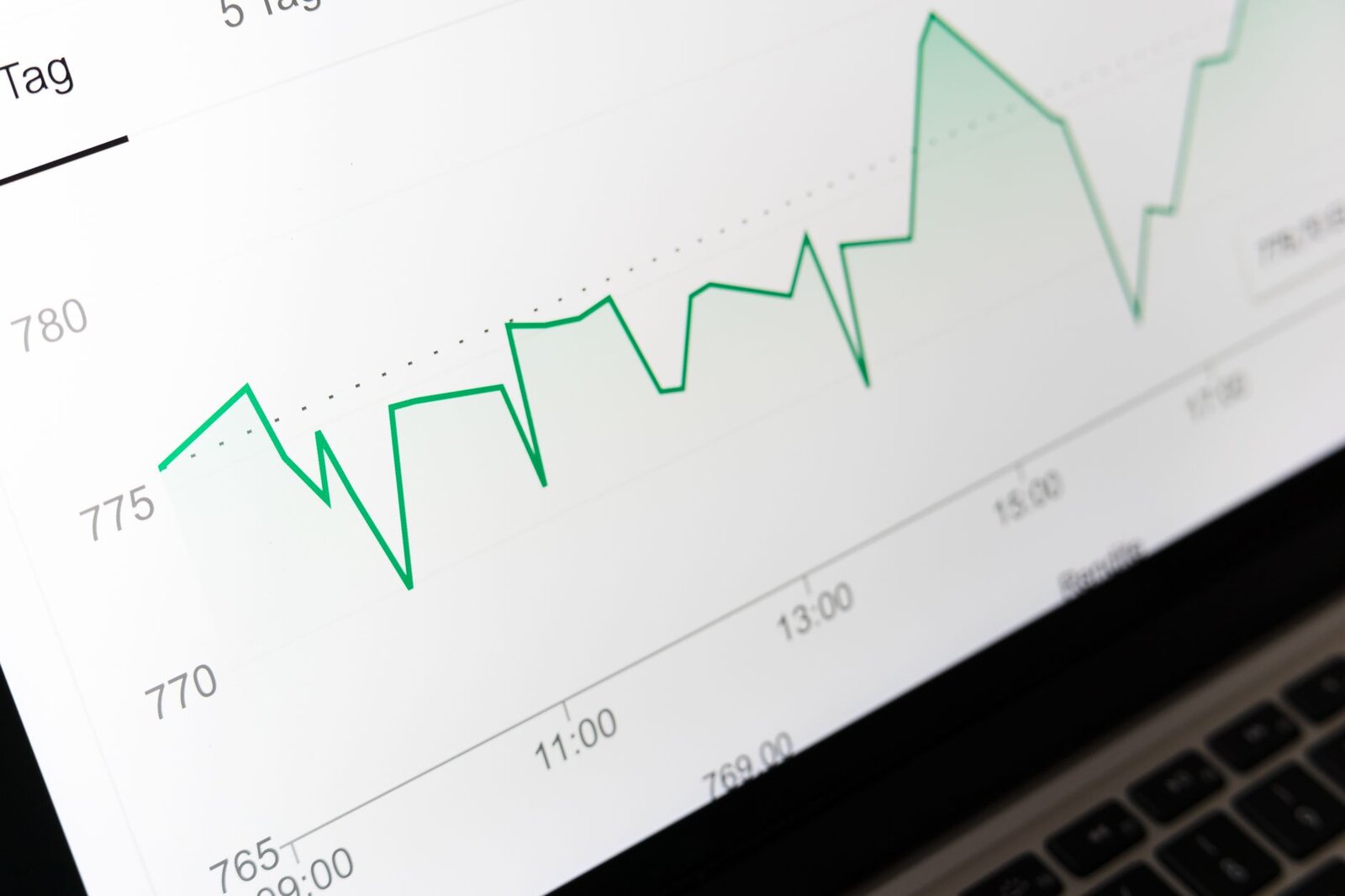
Before diving into the specifics of how WFT uses data, it’s important to understand the sugar market. Brazil is the world’s leading sugar producer and exporter, accounting for approximately 25% of global production and nearly 50% of world exports. This dominance is largely due to favorable climatic conditions and efficient sugar mills. However, the sugar market is volatile and influenced by various factors such as weather conditions, government policies, and global demand.
Data-Driven Decision Making
Given the complexities of the sugar market, making informed decisions is crucial. This is where WFT’s use of data comes into play. WFT leverages data analytics to understand market trends, predict future demand, and optimize pricing strategies. For instance, by analyzing historical weather patterns and crop yields, WFT can anticipate potential supply disruptions and adjust their export strategies accordingly.
Case Study: Predictive Analytics in Action
In 2019, Brazil experienced unusually heavy rainfall, which threatened to disrupt sugar production. However, WFT’s data-driven approach allowed them to foresee this issue. By analyzing weather data and historical crop yields, they predicted a potential decrease in sugar production and adjusted their export volumes and pricing strategies accordingly. This proactive approach helped WFT mitigate risks and maintain profitability despite the challenging conditions.
Benefits of Data-Driven Trading
-
Improved Decision Making: Data analytics provides valuable insights that can inform strategic decisions, such as when to buy or sell commodities.
-
Risk Mitigation: By predicting potential market disruptions, companies can take proactive measures to mitigate risks.
-
Increased Profitability: Optimizing pricing strategies based on market trends can enhance profitability.
Why Choose Wave Function Trading?
With a reputation for excellence and a proven track record in the commodities trading industry, WFT is the go-to choice for businesses looking to navigate the complexities of the sugar market. WFT’s data-driven approach ensures informed decision-making, risk mitigation, and optimized profitability. Furthermore, WFT’s commitment to transparency and ethical trading practices makes them a trusted partner in the commodities trading industry.
Contact Us Now
If you’re looking to optimize your sugar exports and want to leverage the power of data analytics, contact Wave Function Trading today. Our team of experts is ready to help you navigate the complexities of the sugar market and achieve your business goals.
Conclusion
In conclusion, data plays a crucial role in optimizing sugar exports. By leveraging data analytics, Wave Function Trading can understand market trends, predict future demand, and optimize pricing strategies. This data-driven approach not only improves decision-making but also mitigates risks and enhances profitability. With a reputation for excellence and a commitment to ethical trading practices, Wave Function Trading is the trusted partner for businesses looking to navigate the complexities of the sugar market.